


Number Match: Train your brain
4.941.00 Reviews
App Specs
- Version
- 1.13
- Updated On
- License
- Free
- Downloads
- 100,000+
- Developer
- Greyfun Games
- Categories
- Trivia
- Platform
- Android
Screenshots

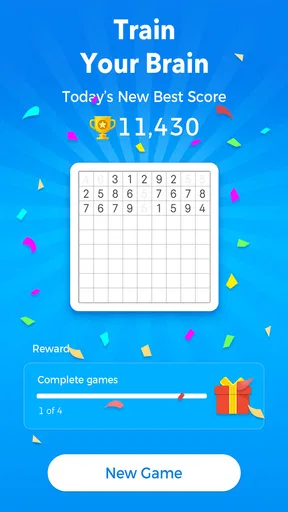
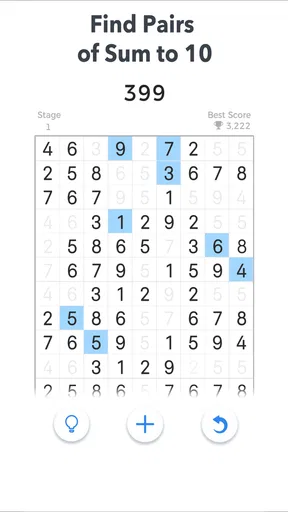
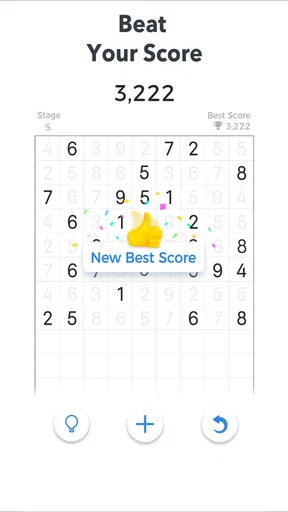
 Analysis by AppCompare
I like number puzzles best when they fit into the small gaps of an ordinary day, and this one is easy to pick up without turning a short break into a complicated project. Number Match: Train your brain is a free trivia game from Greyfun Games, built around pairing numbers and working through logic puzzles. I’d consider it for a commute, a quiet moment at home, or a shared device where different people can take turns at their own pace.
A small puzzle that can suit a shared device
In a household, a number game can be an easy activity to pass between people without needing everyone to learn a long set of rules first. One person can try a puzzle, hand the device over, and let the next person decide whether to continue or start fresh. That casual arrangement works best when players treat the game as a personal turn-taking activity rather than assuming that progress, scores, or preferences are separated for each person.
I would keep that distinction in mind before making it a family game. The app is a puzzle experience, not a household coordination tool: I wouldn’t rely on it to manage separate player identities or to organize turns. If several people use one device, agree on a simple routine—such as handing it over only after finishing a level—so nobody accidentally disrupts another person’s session.
Setting expectations before a first turn
The basic appeal is straightforward: look for number pairs and think through which match makes sense. That makes it approachable for someone who enjoys arithmetic, but the strategy can be less obvious than the first few moves suggest. On a shared screen, it helps to let a new player explore the puzzle instead of immediately correcting every choice. The more satisfying part is often spotting how one match changes what remains available.
There’s also a useful difference between playing together and playing competitively. Taking turns can make it a light conversation starter, while comparing who finishes faster may frustrate someone who is still learning. I’d focus on explaining the matching idea and discussing a tricky choice, rather than treating a score or pace as a measure of who is “better” at math.
Age, comfort, and trust
The game is rated Everyone, which makes its general age context broad, but that rating doesn’t tell a parent how every child will respond to a particular session. I’d still pay attention to whether a young player enjoys number challenges or finds them stressful, and I’d set ordinary device boundaries that make sense for the household. A puzzle can be a pleasant change from passive screen time, but it is still screen time.
At home, I’d also be clear about what the game is for: a casual logic challenge, not a lesson plan or a promise of measurable brain training. The title invites players to exercise their thinking, but I’d judge it by whether the person using it enjoys the puzzles and wants to return, not by assuming it will improve a particular skill. That expectation keeps the experience honest and low-pressure.
Worth Reading Before You Choose

Flipboard Shows What News Apps Must Do Beyond the Feed

Switching to Android Auto Means Rethinking Your Driving Routine

Google Calendar Makes a Crowded Week Easier to Manage

Ludo King Makes the Most of the Minutes Between Plans

Baby Panda World Brings Quick Play to Modern Phones, but Its Game Library Feels Busy

ESPN’s Live Game View Makes Following Close Games Easier
Hey there, fellow app explorers! Today, I dove into the intriguing world of Number Match: Train your brain, and let me tell you, it was quite the mental workout! If you're up for a challenge that blends fun with a healthy dose of brain exercise, then this app might just be your next favorite download.
Getting Started with Number Match
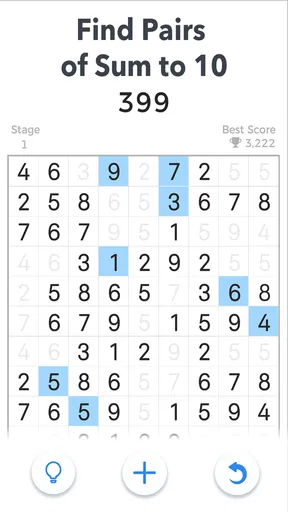
The first thing I noticed when I fired up Number Match: Train your brain was its clean and straightforward interface. No frills, no fuss—just a direct path to sharpening those cognitive skills. The app gives you a grid filled with numbers, and your task is to match pairs that add up to a target sum. Sounds simple, right? Well, don’t be fooled. It’s a delightful mix of strategy and speed.
After a quick tutorial to get you warmed up, you’re free to explore the different levels. The game starts easy, letting you dip your toes in, but soon ramps up the challenge. Each level has its own quirks and patterns, keeping things fresh and exciting.
Why You’ll Love It
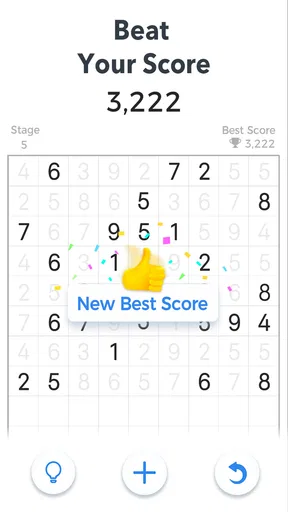
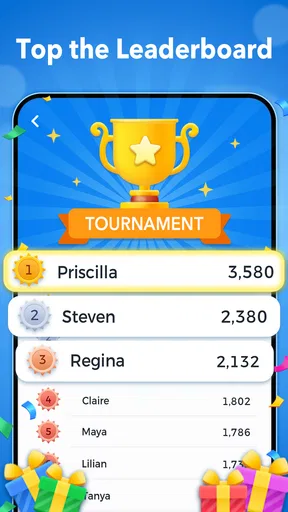
First off, if you’re someone who loves puzzles and number games, this app is like candy for your brain. It’s designed to keep you engaged and thinking critically. I found myself getting lost in the process, trying to beat my previous scores and climb up the leaderboard. Competitive much? Guilty as charged!
The app also offers daily challenges which are a great way to keep your brain sharp and coming back for more. Plus, the sense of satisfaction when you finally crack a tough level is just unbeatable.
Sleek Features to Explore
Aside from the main game, Number Match: Train your brain comes packed with features that make the experience even more enjoyable. Here are a few highlights:
- Multiple Difficulty Levels: Whether you’re a beginner or a number-crunching pro, there’s a difficulty level that will suit your needs.
- Hints and Undo: Got stuck? No worries, you can use hints to guide you or undo a move to rethink your strategy.
- Offline Mode: Perfect for those moments when you’re on the go and Wi-Fi is nowhere to be found.
- Customizable Themes: Change up the look of the game to keep things visually interesting. I found the dark mode particularly easy on the eyes during late-night sessions.
Room for Improvement
Despite how much I enjoyed the game, there are a few areas that could use a little polish. For instance, the ads can be a bit intrusive at times, but hey, that’s the price we pay for free apps, right? A small in-app purchase to remove ads might be a worthwhile investment if you find them bothersome.
Additionally, while the game is addictive, adding a social feature to challenge friends or share scores could add another layer of engagement. Imagine the bragging rights!
Choosing it over other number games
Among the usual alternatives, this is a better fit for someone who wants a focused number-matching puzzle than for someone looking for a broad collection of brain teasers. A general trivia game asks you to recall facts, while a word puzzle leans on vocabulary; this one asks you to scan a number grid, notice possible pairs, and think ahead about the board. That narrow focus is its strength when you want a clear mental task, but it can also feel repetitive if you prefer changing puzzle types within one app.
For a short break, I’d use it differently from a long-form strategy game. There’s no need to settle in for a lengthy story or learn a large rule set: I can open a puzzle, concentrate for a while, and stop when the moment is over. On the other hand, people who want a rich narrative, collaborative play, or a social competition with friends may be happier with a different kind of game. The available puzzle format is the main event, so your enjoyment depends on liking that loop.
Playing thoughtfully, rather than quickly
One practical habit is to scan the whole grid before making a move. It’s tempting to take the first valid pair you spot, especially when the game encourages a brisk rhythm, but pausing can help you notice a match that leaves the remaining numbers in a more workable arrangement. I found that treating each move as a small choice—not just a tap—made the puzzle feel more satisfying and reduced the urge to use help too soon.
When I do get stuck, I’d first look again for overlooked pairs and consider whether a previous choice narrowed my options. The hint and undo tools are useful safety nets, but using them on every uncertain move can take away the pleasure of figuring out a pattern. A good compromise is to try one deliberate scan, use a hint only if I’m genuinely blocked, and reserve undo for a move I can now see was premature.
This also makes the game easier to share. Instead of one person tapping rapidly while everyone watches, take turns naming a possible pair and explaining why it might be useful before anyone commits to it. That turns a solo puzzle into a small reasoning activity without pretending it has a dedicated multiplayer mode. It works especially well when players have different levels of confidence with numbers: the conversation matters more than speed.
What the store details mean for a new player
Number Match: Train your brain has a 4.0 average from around 157 ratings, and it has passed 100,000 installs. Those figures suggest that people have found and tried it, but they don’t tell me whether its style will suit you. I’d use the gameplay itself as the deciding factor: if you enjoy scanning number combinations and adjusting your plan, the basic idea is easy to understand; if that kind of repetition quickly wears thin, popularity won’t change the fit.
It is free, so trying it does not require an upfront purchase. Still, free games can interrupt a session with advertising, and I found the ads intrusive at times. That matters more on a shared device, where a child or another player may not understand why the game pauses. I’d stay nearby the first time a younger family member plays and decide whether the interruptions are acceptable, rather than assuming “free” means distraction-free.
The game’s age rating is Everyone, and it was released on November 28, 2023. Its current version is 1.12, and it requires Android 6.0 or later. Those details help with basic device and age-context decisions, but the practical question remains whether the screen is comfortable for the person playing and whether the puzzle holds their attention. I’d check compatibility before installing on an older device and avoid making the game a substitute for supervision or household screen-time rules.
When I’d recommend it—and when I’d pass
I’d recommend it to someone who likes quiet, self-paced number puzzles and wants a simple activity for waiting rooms, short breaks, or a calm moment at home. Its tutorial and gradual introduction make the core idea approachable, while the increasing challenge gives experienced puzzle fans a reason to keep paying attention. The daily challenges can also provide a natural prompt to return, provided you enjoy having a familiar style of puzzle rather than a different activity every time.
I’d suggest skipping it if you dislike number grids, want a game built around conversation or teamwork, or need an experience without advertising interruptions. It may also be a poor choice for a household that expects separate, clearly managed player progress on a shared device. Those are not small details if the family’s goal is to track individual turns or keep everyone’s activity distinct; in that case, a game designed around explicit profiles or multiplayer coordination would be a more suitable alternative.
For everyday use, the best approach is modest: treat it as a handy puzzle, not a performance test. I might play while waiting for an appointment, then put the phone away when my turn is done. At home, I’d agree that the next person can start after the current puzzle, rather than handing over mid-move. That little boundary avoids accidental changes and keeps a relaxing game from becoming a dispute over whose progress was interrupted.
Final Thoughts
All in all, Number Match: Train your brain is a fantastic app for anyone looking to keep their mind active while having a bit of fun. It’s easy to pick up, challenging to master, and endlessly rewarding. Whether you’re a math wiz or just love a good puzzle, this app is definitely worth a spot on your home screen.
So, what are you waiting for? Give it a whirl and see how quickly you can match those numbers! Happy puzzling!
Pros
- Engaging and addictive gameplay loop.
- Helps improve cognitive skills.
- Simple and intuitive interface.
- Free to play with optional purchases.
- No intrusive ads disrupt the experience.
Cons
- Limited levels could feel repetitive.
- Graphics are basic and minimalistic.
- Requires internet for certain features.
- In-app purchases can be expensive.
- Lack of multiplayer or social features.
FAQs for Number Match: Train your brain
What is Number Match: Train your brain?
Number Match: Train your brain is a puzzle game designed to challenge and enhance your cognitive abilities. Players match pairs of numbers to clear the board, offering a fun and stimulating way to improve concentration and problem-solving skills. It's available for both Android and iOS platforms.
How do you play Number Match?
In Number Match, the goal is to find and match pairs of numbers that add up to a specific target sum. You can select numbers horizontally or vertically, and successfully matched pairs will disappear, helping to clear the board. The game increases in difficulty as you progress, providing a continual challenge.
Is Number Match suitable for all ages?
Yes, Number Match is designed to be accessible and enjoyable for players of all ages. The game’s intuitive interface and adjustable difficulty levels make it suitable for children and adults alike, ensuring a wide appeal. It’s a great way for families to engage and challenge each other in a friendly competition.
Does Number Match require an internet connection?
Number Match can be played offline, making it perfect for situations where internet access is unavailable. However, an internet connection may be required for certain features, such as leaderboard updates or in-app purchases, ensuring you can enjoy the game anytime, anywhere.
Are there any in-app purchases in Number Match?
Yes, Number Match offers in-app purchases that allow players to enhance their gaming experience. These might include additional hints, ad-free gameplay, or cosmetic upgrades. While these purchases can enrich the experience, they are entirely optional, and the game can be enjoyed fully without them.


